Insights
A quiet space to explore healing, meaning, and mental wellness. I’ll share what I’ve learned from research, from people, and from being human. I hope something here resonates with you.
Sleep is not a luxury
Topic: Sleep, Trauma, Safety
Posted July 2025
So many people come to therapy saying, “I just need to get more sleep.” But sleep isn’t just a checklist item. It’s a signal — and sometimes, a missing one.
When the body doesn’t feel safe, it doesn’t allow deep sleep. It stays vigilant. It watches the door. It listens for cues — even in the quiet.
That doesn’t mean you’re broken. It means your body is doing exactly what it was designed to do: protect you.
The challenge is that safety isn’t created with willpower. You can’t force yourself to “relax harder.” Safety has to be earned gently, over time, through co-regulation, compassionate rituals, and sometimes just being believed.
Sleep returns when safety returns. And safety can start with just one moment of feeling seen, known, or understood — even briefly.
So if you’re tired, truly tired, it’s not a character flaw. It may be your body’s way of saying:
“I’ve been on watch too long.”
And that’s a message worth honoring.

You Are Not a Dolphin
Topic: Sleep, Trauma, Safety
Posted July 2025
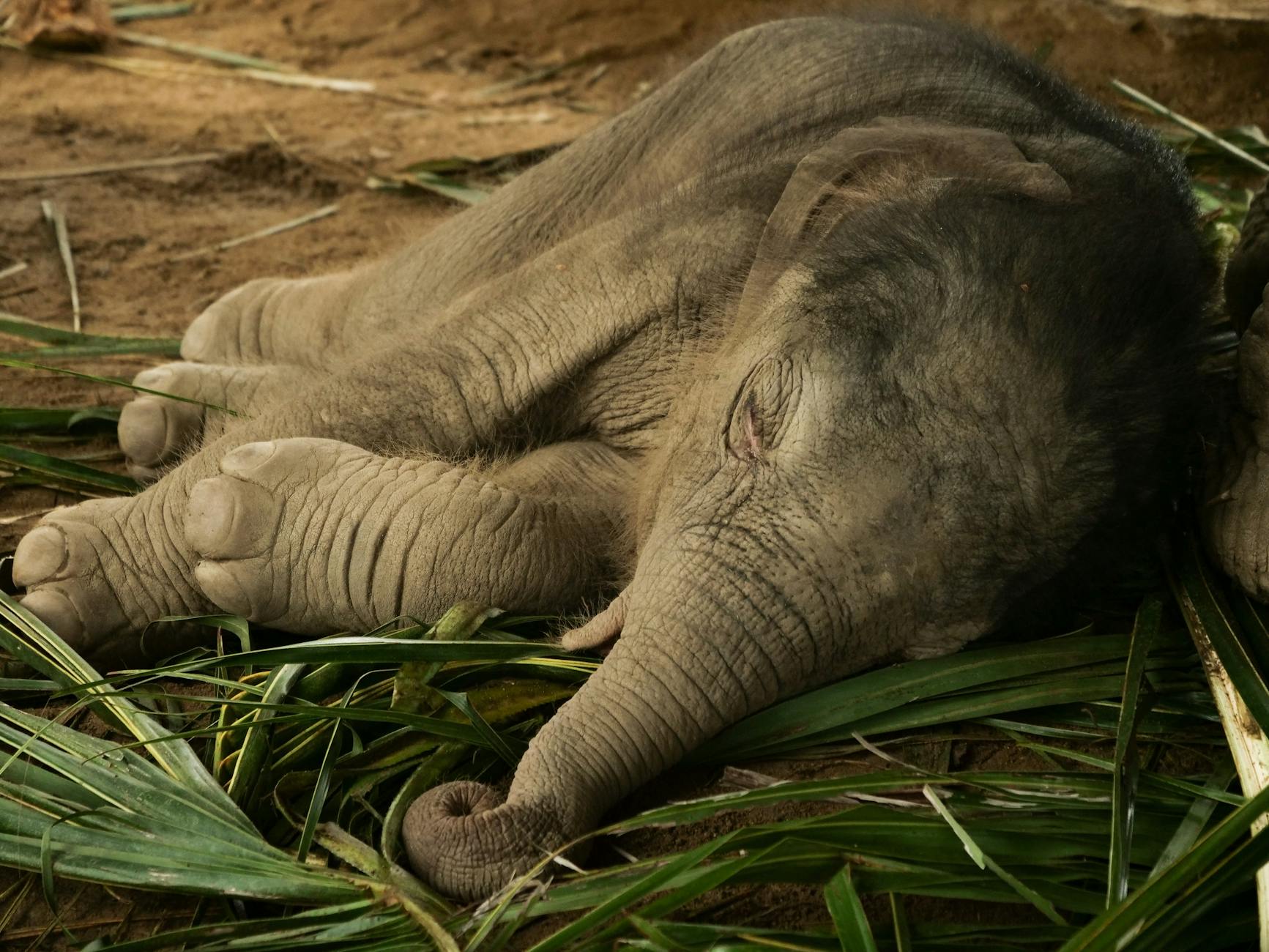
Dolphins and a few other animals sleep with only half their brain at a time. This enviable ability is called uni-hemispheric sleep. One side rests, while the other stays alert — scanning for threats, watching over their young, staying in motion so they don’t drown. It’s remarkable. But it’s also a survival mechanism. They were never built to fully let go.
Humans weren’t meant to live this way.
Yet so many of us try. We stay half-awake through life — monitoring, caregiving, persevering, performing. We push through exhaustion with caffeine, urgency, or self-judgment. We say, “I’ll rest when things calm down,” not realizing our body never gets the message that it’s safe to stop.
But real healing doesn’t happen in hypervigilance.
It begins in safety.
And safety often begins in rest.
Sleep is not weak or lazy or selfish. It’s biological repair. It’s when memories consolidate, hormones recalibrate, and the nervous system begins to soften. Without it, the emotional and physical strain accumulates in ways that eventually surface — sometimes as burnout, sometimes as anxiety, sometimes as disconnection from ourselves and others.
If sleep has been hard for you, you are not alone.
Many people I meet don’t just struggle with sleep — they struggle with permission to rest.
Especially if their body has learned that being still doesn’t feel safe.
So start where you are.
Maybe that means turning down the volume of your day just a little earlier.
Maybe it means noticing the stories you tell yourself when you can’t fall asleep.
Maybe it means offering yourself some gentleness instead of pressure.
You, my friend, are not a dolphin. You don’t need to be.
Your body was made to rest, to restore, and to heal.
Let it.
Energy Is Seasonal
Topics: Depression, motivation, circadian rhythm
Posted July 2025
There’s something many people don’t realize about energy:
It’s not just about how much sleep you got last night.
It’s about rhythm — and rhythm takes time.
We’re rhythmic creatures, tied to the rising and falling of light, seasons, and internal tides. But modern life — especially the 40-hour grind — often ignores that. We’re expected to show up the same way, every day, no matter what our body is saying.
This disconnection can show up as burnout, irritability, fatigue, or even deep, sudden lows that look like depression.
There’s a theory in mental health research called the Primacy of Mania Hypothesis. It suggests that what we often call “depression” is sometimes just the crash after prolonged overstimulation — stress, excitement, achievement, productivity. While we’re running hot, we don’t register that our body is overextended. Only when things settle do we feel the cost. The crash.
Instead of honoring that as a signal — to slow down, to rest, to reset our rhythm — we get scared.
We jump to fix it.
We might reach for medication, worry something’s broken, or label ourselves with a diagnosis.
But sometimes it’s not illness.
Sometimes it’s just winter.
Seasonal Rhythms Don’t Require a Winter Coat
Topics: Depression, motivation, circadian rhythm
Posted July 2025
Balance in human energy isn’t only about sleep — it’s about rhythm, light, and environment. A study comparing workers at high latitudes (like Sweden) with those near the equator found that reduced natural light exposure correlated with sleep difficulties and depression — but this didn’t require extreme climates, only a mismatch between internal rhythms and external demands.
(PubMed Study)
Closer to the equator—where daylight stays relatively steady—people showed more consistent sleep patterns and fewer reported mood fluctuations. In contrast, more seasonal regions experienced greater swings in both.
This suggests a simple truth: when light and routine are changing but your schedule doesn’t adapt, your internal system becomes misaligned.

What If You Lived in Harmony With Your Rhythm?
Take a moment to really notice your energy patterns:
Do you feel a midday dip even if you’ve slept well?
Does your motivation ebb and flow with days, weeks, or seasons?
Does low energy feel like failure—or a whisper from your body asking for pause?
These patterns are messages — not moral failings or signs of weakness. They’re part of the story your physiology tells.
Here’s a gentle invitation: resist the pull to fix your low-energy moments. Instead, ask:
How is this present energy serving me?
What is it asking?
Sometimes, the most nourishing response is slowing down — not powering through.
Practical Rhythm Touchstones
Respect the midday dip with a brief pause, low-stimulation break, or mindful breath.
Notice darker days or seasonal shifts and allow your schedule to soften — even just a little.
Align with natural light whenever possible. Morning sun and windowed workspaces matter.
Honor rest without guilt. Sometimes stillness is the most powerful work.
Your energy is not broken.
It’s responding to your life, your light, your rhythm.
Let it be a signal, not a judgment.
You don’t need to be in perpetual summer.
You’re not a machine.
You’re a living thing — and living things have seasons.